When people talk about building software, the conversation often starts with features.
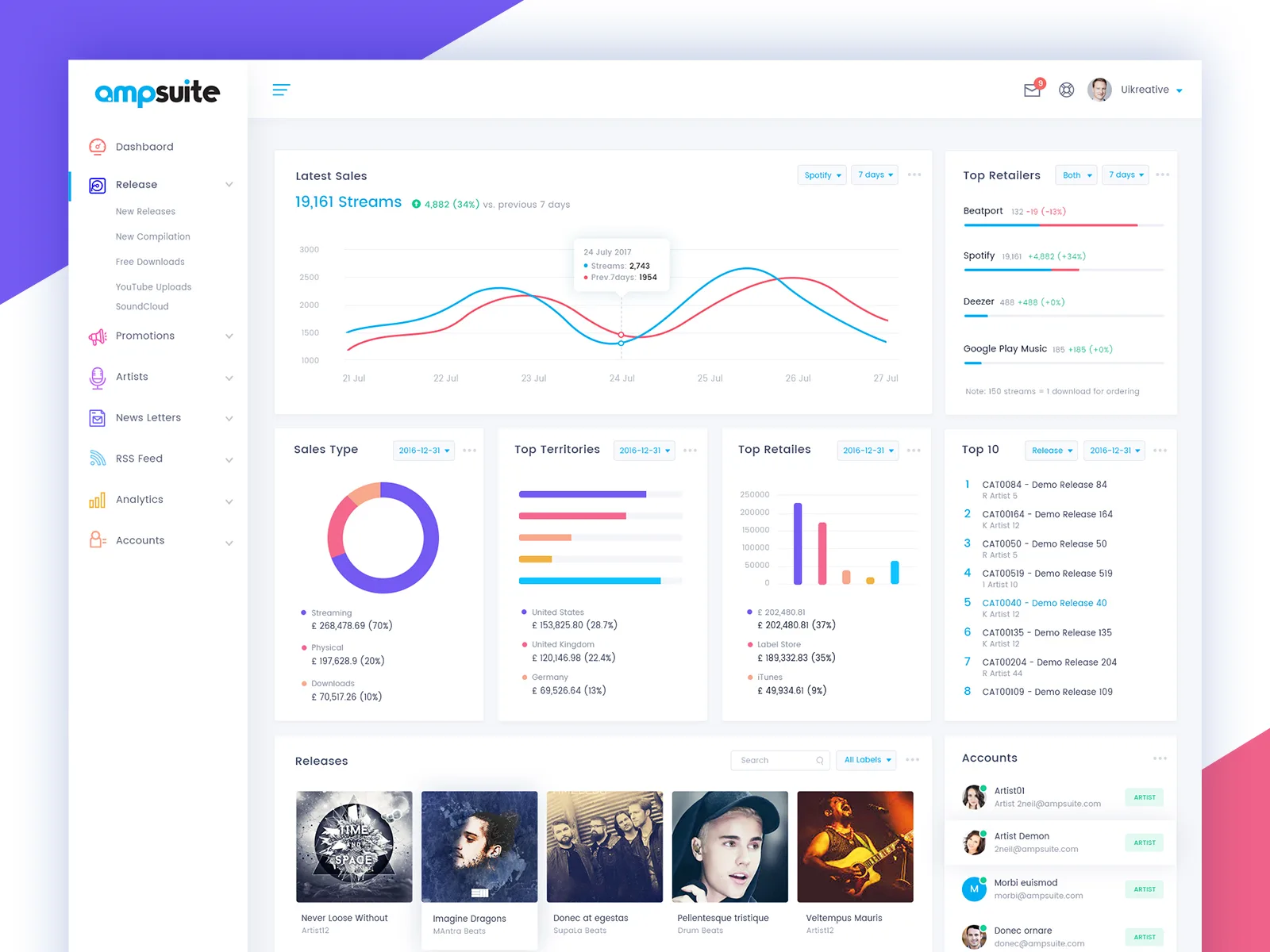
We need a dashboard.
We need notifications.
We need user roles, reporting, integrations, and a long list of other things.
There's nothing wrong with planning features. They're part of the process.
But I've learned that adding more functionality doesn't automatically make a product better.
Sometimes it makes the product harder to use.

Start with what people actually need to do
Imagine a business that manages customer requests through emails, spreadsheets, and several different tools.
The obvious solution might be to build a large management platform with dozens of features.
But what if the biggest problem is simply that requests get lost between different people?
Maybe the first version only needs one clear place to receive requests, assign responsibility, and track progress.
That's a much smaller product.
And it might solve the most important problem immediately.
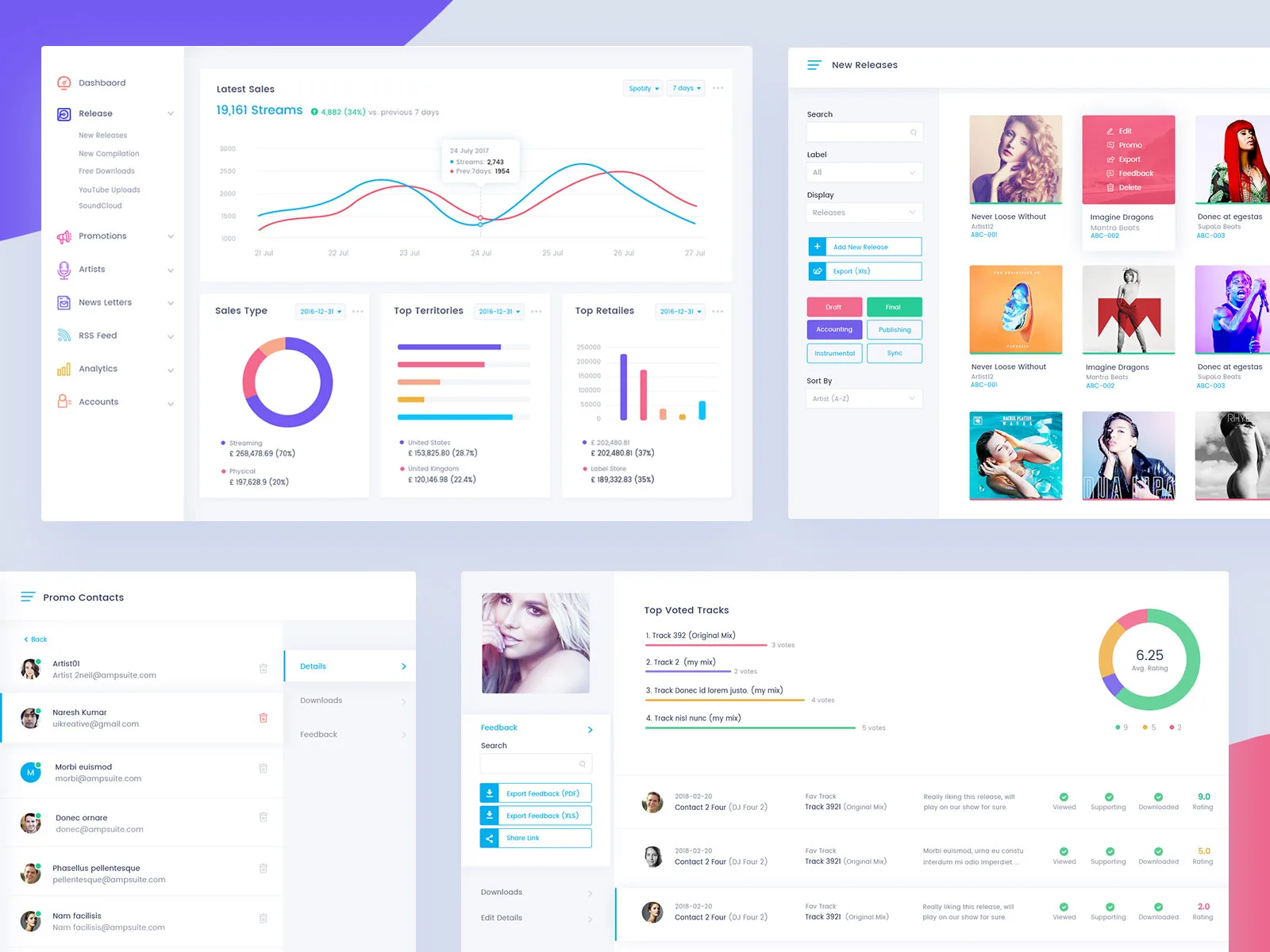
Complexity has a cost
Every new feature needs more than development time.
It needs a place in the interface.
It needs to work on different screen sizes.
It needs testing, maintenance, and consideration for what happens when something goes wrong.
And as the product grows, features start interacting with one another.
Something that seems simple in isolation can become complicated when connected to the rest of the application.
That's why I prefer to understand the workflow before deciding how much software to build.
But I've learned that adding more functionality doesn't automatically make a product better.
Design and development should happen together
One advantage of working across UI/UX design and full-stack development is being able to think about the entire experience.
I can look at how someone moves through a task while also considering how the application will handle the data, permissions, and functionality behind it.
Those two sides influence each other.
A simpler interface might require a little more thought in the backend.
A better technical structure might make the frontend much easier to maintain.
The goal is finding the right balance.
Build something useful first
I like products that start with a clear purpose.
Solve one important problem properly.
Make sure the experience is reliable.
Learn what people actually need next.
Then expand.
That doesn't mean ignoring the future. A good technical foundation should allow the product to grow.
It simply means not building every possible feature before anyone has used the product.
Through my full-stack development services, I work on websites and applications where functionality, usability, and maintainability need to work together.
Because good software isn't measured by how many features it has.
It's measured by how well it helps people get things done.